

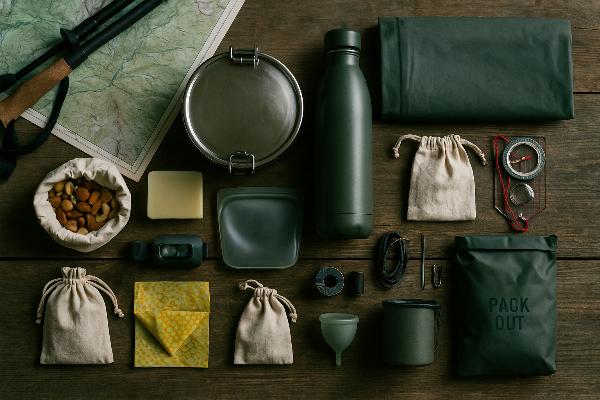
Packing for a Himalayan trek offers a chance to reduce our environmental footprint from the outset. The Himalayas’ fragile ecosystems are struggling under trekkers’ waste—for example, a recent cleanup across the Indian Himalayas found that 60% of collected plastic waste was from non-recyclable multi-layered food packaging. With limited waste management in remote regions, everything we carry in has to be carried out or managed responsibly. Adopting low-waste, eco-conscious packing practices ensures we “leave no trace” on these mountains while still being fully prepared for the trek. Below, we outline best practices and alternatives for individuals and groups to pack light, smart, and sustainably, reflecting HT’s low-impact, preparedness-focused ethos.
At HT we keep treks clean and simple. We prioritise sustainable trekking and minimum damage to the mountains and communities we work with. This sits under our “Live Green, Trek Green” approach and our commitment to community participation and carrying back ALL non-biodegradable waste.
At HT we treat trekking as a compact between you, the mountain, and the people who live here. The Himalaya are a national lifeline, so your kit choices must reduce footprint from day one. “Pack less, reuse more, carry everything out” sums it up
Core Principles of Low-Waste Trekking Packs
- Reduce, Reuse, Refill: Minimise single-use items and excess packaging. Opt for gear and supplies that can be reused or refilled. For instance, avoid single-use plastics—carry a durable reusable water bottle instead of buying bottled water, and refill it at safe water stations or with purification methods. Bring refillable containers for items like toiletries or condiments rather than single-serve sachets. Every item you don’t throw away on a trek is one less piece of trash on the trail.
- Pack Light and Smart: Every item should justify its weight and waste. Plan your packing list in advance and choose items that generate little to no waste. “Pack smart, pack light,” as one zero-waste trekking guide puts it, ensuring that whatever you bring in, you carry back out. This often means dual-purpose gear (e.g., a bandana as a towel, a pot as a bowl) and avoiding disposable extras. Fewer items also mean fewer things that could turn into litter.
- Bulk and Biodegradable: Wherever possible, buy in bulk and repackage at home to avoid carrying unnecessary wrappers. Remove excess packaging from new gear or food before the trek, and pack food in bulk in reusable bags or containers. Choose biodegradable or earth-friendly materials for items like toiletries and cleaning products to reduce chemical pollution. Even organic waste (fruit peels, etc.) should be carried out because in cold, high-altitude environments it decomposes very slowly.
- Repair and Reuse Gear: Trekking is rough on equipment, but rather than bringing duplicates or discarding damaged gear, carry a small repair kit. A needle & thread, duct tape, and a multi-tool can fix torn packs or clothing on the go, extending their life. This prevents waste and means you don’t need to carry spares for every item. High-quality, durable gear may cost more upfront, but it lasts for years of treks, reducing long-term waste compared to cheap gear that breaks quickly.
- Leave No Trace Education: Make sustainability part of your trekking mindset. Educate and encourage others in your group to pack low-waste, explaining how it protects the mountains. There’s no need for lecturing or moralising; simply share tips (like “I brought a tiffin box so I don’t need foil for my lunch”) and lead by example. Many trekkers are willing to adopt better practices when they see how easy and beneficial it can be.
HT Core principles
- Live Green, Trek Green: Avoid disposables; if you must use packaging, pack it out.
- Plan hydration, not purchases: Carry a bottle; confirm refill points with your HT guide; expect ~2 L on long stages.
- Waterproofing, done honestly: In Himalayan weather, a reused plastic liner/dry bag is the most reliable safeguard. Treat plastic as a reusable liner, not a throwaway.
- Buy once, use long: Prioritise durable, well-fitting gear; HT’s stance is cautious on renting key items.
Eco-Conscious Gear Choices
Water Bottles and Hydration: Staying hydrated without waste is key. Carry a reusable water bottle or hydration bladder (1–2 litre capacity) and refill it at streams, tea houses, or village filtration points instead of buying disposable plastic bottles. In many Himalayan regions (e.g., Ladakh), plastic bottled water is banned or discouraged, and filtered water refill stations are available (Leh town has UV purification kiosks for trekkers at ₹7 per litre). Use purification tablets, a filter, or a UV purifier to treat stream water—far more eco-friendly than generating empty bottles. A thermos can be useful for keeping boiled water warm and reducing fuel use for repeatedly boiling drinking water. By refilling, one trekker can save dozens of plastic bottles on a single trek.
Food Containers and Utensils: Replace cling film, foil, and disposable tableware with reusable alternatives. Pack a lightweight lunch box or tiffin (steel or BPA-free plastic) for your trail meals—your guide can put your packed lunch in it instead of handing you food wrapped in foil or plastic. Bring your own cutlery, cup, and plate so you never need single-use paper or plastic dishes. A spork or spoon/fork knife combo, a metal mug, and a nesting plate/bowl set work well. Many outfitters encourage trekkers to carry these to cut down on trash. For hot drinks, a reusable mug not only cuts waste but also keeps your tea warm longer at those freezing campsites.
Storage Bags instead of Plastic Bags: Organise your gear with cloth or mesh stuff sacks and dry bags rather than polythene bags. For example, segregate clothes in fabric bags or old pillowcases, use compression sacks for your sleeping bag, and use waterproof dry bags for anything that must stay dry. Avoid carrying new plastic shopping bags—states like Sikkim have banned plastic carry bags entirely. If you need small bags for snacks or toiletries, try reusable pouches or zip bags made of silicone or thick plastic that can be used trip after trip (products like ReZip or Stasher bags). Beeswax wrap is a great alternative for wrapping sandwiches or chapatis instead of clingfilm—it’s reusable and compostable. Reusing cloth bags for shopping and packing is a simple habit that prevents unnecessary waste from accumulating on the trails.
Clothing and Gear: Emphasise durable, multi-use clothing. A fleece or down jacket, for instance, can last many treks—if you need gear you’ll seldom use (like heavy boots or technical jackets), consider renting gear or buying second-hand instead of cheap disposable gear. (Many companies, including HT, offer gear rental services to trekkers, which reduces the need for everyone to buy new.) Layering clothes properly means you carry just a few versatile items rather than many single-use ones (like disposable warmers or excessive spares). Also, pack a couple of sturdy garbage bags or waterproof pack liners—not to throw away, but to keep gear dry; they can double as emergency ponchos or to pack out waste.
Lighting and Power: Bring a headlamp with rechargeable batteries or a solar charger so you’re not throwing out batteries daily. A small solar panel or power bank can recharge your devices. If using battery lanterns, carry them back to the city for proper disposal—never discard batteries in the mountains. Avoid glow sticks or other one-time-use lighting. Modern LEDs are efficient and last long on one charge, so you can trek responsibly without literally leaving a trace of light pollution or toxic battery waste.
Low-Waste Food and Toiletries
Meal Planning—Bulk and DIY: Food can be the biggest source of packaging waste on a trek. Plan your trek menu to minimise wrappers. Buy staples in bulk (nuts, dried fruits, protein bars, etc.) and pack them into reusable containers or Ziplock-style bags at home. Instead of carrying many small noodle packets or ready-to-eat pouches, consider homemade dehydrated meals: you can prepare and dehydrate meals like poha, khichdi, or pasta at home and pack them in lightweight jars or bags. Many seasoned trekkers swear that DIY trail meals not only cut packaging, they also taste better and cost less. If you’re not into dehydrating, you can still repackage store-bought items—e.g., transfer instant oatmeal or soup powder from multi-serving sachets into a single pouch for the group, rather than bring a dozen little packets. Best practice is to buy in bulk and prepare what you can at home, simplifying backcountry cooking and slashing waste.
Snacks: Forgo the individually wrapped chocolates, biscuits, or chips, which create tonnes of litter (multi-layered wrappers from popular snacks are a major litter component on Indian trails). Instead, make a large trail mix with nuts, seeds, and dried fruits and store it in a reusable bag. Energy bars can be made at home (lots of no-bake recipes) or bought in bulk packaging. If you must bring commercial snacks, opt for larger family packs and distribute them into smaller containers for each day. For example, carry one big chocolate bar and break it into pieces for each day’s treat, rather than fun-size plastic wrappers. In mountain villages, you can also buy local snacks (like roasted chickpeas, nuts, and churpi cheese) in paper packets or your own container, supporting the local economy and using less plastic. Fresh fruit is a great waste-free snack—just remember to pack out the peels (they seem natural, but in cold Himalayan temperatures orange peels can persist for years if tossed on the ground).
Cooking Supplies: Treks that cook meals should favour bulk ingredients over processed, packaged foods. Carry spices, salt, sugar, tea, etc. in small reusable spice jars or pouches, not single-use sachets. Bring a refillable lighter or matches in a container instead of many disposable lighters. If using gas canisters for a stove, bring only the number needed (and plan to take empties back—they’re metal and recyclable). Avoid aluminium foil; use sturdy tiffin boxes or pots with lids for baking/steaming food. For cleaning, pack a scrubber cloth rather than disposable scouring pads—a piece of cotton cloth or mesh bag works and can be washed and reused.
Toiletries: Traditional travel minis generate a lot of plastic waste. Switch to biodegradable and solid toiletries. Use a soap bar and shampoo bar (or a multi-purpose biodegradable soap for body, hair, and clothes) to eliminate plastic bottles. Solid shampoo/shaving bars last long and won’t leak in your pack. For toothpaste, you can carry a small reusable tube or try tooth powder/tablets—a tiny tin of tooth powder is lighter than a tube and leaves no plastic. Deodorant can be a small cream or crystal rather than an aerosol. Pack products in refillable travel bottles if needed; silicone travel tubes or mini Nalgene bottles are great for liquids like sunscreen, hand sanitiser, or insect repellent. Bring only as much as you need (decant from large bottles at home) to avoid carrying extra weight and potentially having to discard half-used bottles.
Hygiene and Sanitation: Reduce reliance on disposable wipes and paper. Bring a quick-dry trek towel or bandana instead of wet wipes for face and hands. If you do bring wet wipes for emergencies, ensure they are biodegradable, and remember to pack them out—never leave wipes or tissues on trails (they are an eyesore, and even “biodegradable” ones take a long time to break down in cold, high-altitude conditions). For toilet paper, carry a limited supply and always pack it out in a Ziploc after use, or burn it in a controlled fire if safe to do so. An even better option is to use natural alternatives: many trekkers use a small squeeze water bottle for cleaning (as locals do) to drastically cut down toilet paper use or carry a Kula cloth (pee cloth)—a reusable antimicrobial cloth for urine that dries quickly, eliminating the need for toilet paper for peeing. Women trekkers can consider a menstrual cup or reusable cloth pads if comfortable. A menstrual cup generates no waste (versus the plastic wrappers and applicators of sanitary products) and is very practical on longer treks—just practice using it beforehand. Used tampons or pads, if you have them, must be carried out in ziplocked bags (opaque bags or wrapping in paper helps). Never bury or burn sanitary waste on the trail—it won’t decompose, and animals may dig it up.
Personal Care Extras: Sunscreen and insect repellent often come in plastic tubes—bring the smallest practical size or transfer into a tiny bottle to reduce waste. If using sunscreen sachets (common on high-altitude treks for high SPF), collect the empties in a bag. Lip balm—use a stick or tin that you’ll fully use up (and don’t lose it on the trail!). Hand sanitiser—a single small bottle can last a trek; prefer alcohol-based sanitisers, which evaporate cleanly. Tissue—bring a couple of cloth handkerchiefs for nose-blowing to reduce tissue waste (plus, paper tissues get soggy; bandanas are more reliable). By thinking through each toiletry item, you’ll find many swaps that cut down on plastic and packets. Not only do these measures keep trash off the mountains, but they also often save weight and space in your pack.
Quick checklist (low-waste)
- Bottle(s) totalling 2 L; treatment method sorted.
- Tiffin + cup + spoon; no disposables.
- Reused pack liner + inner dry sacks; no single-use poly left on trail.
- Solid toiletries; TP packed-out plan.
- Repair kit; two waste sacks (dry & reject).
- Durable footwear and layers; avoid last-minute rentals of key items.
Group and Guiding Practices for Low Waste
If you are trekking with a group or as an expedition organiser, a low-waste approach needs a bit of extra coordination—but it pays off in drastically reduced garbage at the end of the trek. Here are strategies for guided groups and expeditions:
Bulk Buying and Shared Resources: Plan group meals such that ingredients can be bought in bulk or large quantities—this avoids dozens of small wrappers. For example, for a 10-member trek over 5 days, you can buy 5 kg of rice in a sack (no plastic packets needed per meal) and local lentils or beans in bulk for dinners, instead of individual ready meals. The same goes for snacks: carrying a few large homemade chocolate cakes or a big packet of local snacks for everyone generates less waste than each person carrying energy bar multipacks. Coordinate with your trekking agency or cook to source as much as possible in large, economy packs with minimal packaging, or from local markets that use paper or cloth packaging. Reuse containers on the trail: the big plastic jars that held wheat flour or pickles for the kitchen can later collect waste, and any sturdy sacks can be used to haul trash out.
Waste Segregation System: Set up a simple dry/wet waste segregation system at camps from day one. Keep two bags or containers in the kitchen and dining area—one for wet waste (biodegradables like vegetable peels) and one for dry waste (plastics, foil, etc.). Trekkers can be instructed to toss compostable waste (like apple cores) in the wet bin, not into the bushes. Dry waste should be stored securely from wind—those large zip bags or even empty rice sacks are great for this. At the end of each day or each campsite, tie up and label the sacks (e.g., “recyclable” vs. “non-recyclable” if you further sort). Tt’s crucial in the Himalayas because there are no municipal facilities high up—at least you can prevent contamination and carry waste down efficiently.
Group Meal Logistics: Use reusable kitchenware during the trek. If you’re organising treks, avoid giving clients any single-use cutlery or cups—make it a norm that everyone brings their reusables (or provide a kit at the trip start that is collected after). For cooking, rely on large pots, and serve food in communal bowls or directly to personal plates rather than prepackaged portions. Leftovers, if any, can be stored in lidded containers for the next meal rather than dumped—this cuts food waste. Also consider the menu: prefer local fresh ingredients whenever possible (e.g., buy potatoes, greens, and eggs in villages en route—they usually come with little to no packaging, and any peels can be composted). Minimise use of canned or tinned goods, which not only are heavier to carry but also leave cans to manage (if you do carry cans, wash and crush them and take them out to recycling). For water for the group, if you set up a basecamp water filter (gravity filter or big Lifestraw filter), everyone can refill from it instead of plastic bottles or sachets of water purifier. This is especially useful in a guided trek scenario and reinforces the habit for trekkers.
Packing and Transport: While packing group gear (tents, food, supplies), use reusable packing sacks or barrels. Instead of shrink-wrapping or covering every bundle with disposable plastic sheets, use durable tarps and ropes to secure equipment on ponies or porters. Mark equipment with names rather than using tape labels that get torn off and littered. If porters are carrying gear, provide them sturdy duffel bags or backpacks for loads—this avoids the common practice of wrapping loads in plastic jute sacks that often rip. Ensure all loads on mules are well-tied; an unsecured load might drop items along the route without anyone noticing (a source of litter). Some expeditions line their transport bags with old waterproof canvas to protect from rain instead of layers of plastic—find what works for your team. During transit (jeeps/buses), carry group gear in one vehicle or shared transport rather than many separate taxis— Fewer vehicles mean less fuel use and less overall impact (and it’s often more fun to travel together, which aligns with HT’s community ethos).
On-Trek Initiatives: Make environmental responsibility a part of the trek experience. For instance, many outfits now give each trekker an “eco-bag”—a ”small bag to collect any litter found on the trail. Encouraging everyone to pick up trash they see (even if it’s not theirs) turns the trek into a collective cleanup effort, leaving trails cleaner than you found them. Trekkers often find this practice rewarding, and it educates them subtly about the waste problem. You can even set targets (e.g., “10 pieces of litter per person per day”) as a friendly challenge. At campsites, have a brief Leave No Trace briefing so that the group knows how to use toilet facilities, where to put wastewater, and what the plan is for carrying out garbage. When everyone is on the same page, the trek runs smoothly without last-minute scrambling to deal with waste.
Example – Sandakphu Green Trek: In the Singalila Ridge (Sandakphu) region on the India-Nepal border, a local initiative successfully engaged trekkers in waste reduction. Trekkers were given reusable water bottles and canvas bags, and all along the trail there were no plastic bottled drinks on sale—a conscious effort by locals to enforce low-waste trekking. At day’s end, guides weighed each group’s garbage and shared the data, creating awareness. Such community-driven models show that with a bit of coordination, even popular treks can be run nearly waste-free.
HT briefing & accountability
Because HT operates with its own logistics, staff, and bases, your trek guides will reinforce water-refill plans, segregation points, and end-of-trek disposal locations during the daily brief.
Sourcing Low-Waste Supplies in India
Preparing for a low-waste trek in India is getting easier as sustainable products become more available:
- Outdoor Gear: Look for gear brands focusing on sustainability. While mainstream stores like Decathlon offer affordable gear, you can make eco-friendly choices there (e.g., steel water bottles, fabric packing cubes, and rechargeable headlamps). Some Indian companies rent out quality gear—for example, you can rent trekking poles, jackets, and shoes from providers (including HT’s own gear rental) instead of buying new, which reduces one-time use of gear. Renting is both low-waste and budget-friendly.
- Eco-Friendly Toiletries: Several Indian brands offer plastic-free or natural personal care products ideal for treks. For instance, shampoo bars and conditioner bars from brands like Earth Rhythm or Soapworks come in minimal packaging. Colgate even introduced toothpaste tablets in India (in a tin), which avoid tubes. Biodegradable soaps (like those from Forest Essentials or Himalaya Herbals in paper boxes) are easy to find. Menstrual cups (brands like Boondh and Sirona) and cloth pads (SheCup and EcoFemme) are available online and in stores for those making the switch. In cities like Delhi, Mumbai, and Bengaluru, you’ll find zero-waste stores and general stores where you can refill items like hand wash, detergent, etc., if you need small amounts for travel. Even if you’re not near such a store, ordering a few sustainable toiletries online before your trek can set you up.
- Food Supplies: When gearing up food for the trek, hit local markets or bulk stores. For example, in Dehradun or Leh markets you can buy dry fruits, nuts, and local snacks loose—carry your own cloth bag or container, and vendors are usually happy to weigh out what you need without plastic. Traditional “kirana” shops often sell staples like rice, dal, and atta in bulk; you can ask them to use your bags. Refill water: In trekking hubs (like Manali, Leh, and Gangotri), many cafes offer free or cheap refills of filtered water if you carry a bottle—this is part of hill-state initiatives to curb bottle waste (Ladakh even officially banned single-use plastic bottles <1 litre in 2019. Take advantage of these rather than buying crates of bottled water for your group.
- Repair and Upcycling: Before buying new gear, see if you can repair or upcycle. Decathlon India has repair services for shoes and tents; there are local cobblers who can fix a broken backpack strap or boot sole in Kathmandu or Manali—repairing keeps gear in use and avoids waste. Also consider thrift or gear swap groups (online forums in India where trekkers sell used jackets, etc.). Extending the life of gear is a core part of low-waste philosophy.
- Local Ethnic Alternatives: The Himalayas have age-old sustainable solutions—for instance, carry a bamboo flask or bota (traditional water pouch), use a shawl or yak wool blanket instead of synthetic fleece for warmth by the fire, or pack snacks like satu (roasted gram flour), which locals carry in cloth bags for energy. Embracing some of these not only reduces waste but also enriches your cultural experience. In Sikkim and Darjeeling, you can find churpi (dried cheese) wrapped in leaves or tea sold loose (no tea bags needed). In Uttarakhand, mandua (finger millet) biscuits and other local hill products often come with minimal packaging and support rural livelihoods. Sourcing these regional items means less reliance on plastic-wrapped, transported goods.
Tips for Trek Leaders and Groups
To wrap up, here’s a quick-reference checklist for low-waste packing, useful for both individual trekkers and group leaders:
- Water: Carry reusable water bottles (2L capacity). Use water filters, purifiers, or boiled water—do not buy single-use bottles. In many regions (Ladakh, Sikkim), bottled water is banned or frowned upon. Always refill your bottle at every opportunity.
- Snacks & Meals: Pack snacks in reusable pouches. Avoid multi-layer packaging like chip packets and instant noodle wrappers—these are non-recyclable waste that often end up littering trails. Instead, opt for homemade trail mix, bulk-bought treats, or local foods. Repack bulk ingredients into family-sized bags for group use. If eating at tea houses, order draught drinks (tea, lemonade) rather than bottled sodas to cut waste.
- Utensils: Bring a personal tiffin or lunchbox, spoon/fork, and cup. This prevents waste from foil wraps, plastic plates, or cups. A sturdy pocket knife can eliminate the need for disposable knives. Leaders: ensure each trekker has these or provide a mess kit.
- Toiletries: Use solid soaps/shampoos and natural products. Pack a small quick-dry towel. Carry toilet paper sparingly and Ziploc all used paper to carry out (or burn in campfires where appropriate). Ladies: consider menstrual cups or reusable pads. Everyone: pack out all sanitary products—never leave them on the mountain.
- Clothing & Gear: Prefer layered clothing instead of many single-purpose items. Rent or borrow heavy gear. Pack a repair kit so you won’t discard torn gear—a bit of sewn thread or a patch can give your jacket new life. Use old cloth pieces as napkins, cleaning rags, etc., rather than paper napkins. If using batteries, choose rechargeables or take dead batteries home—do not drop them in trekking villages.
- Waste Carry-Out: Have a plan for your waste. Carry at least two garbage bags (or reusable trash sacks)—one for recyclables (clean plastics, metals) and one for reject waste (soiled wrappers). Many trekking areas now implement a “pack out what you pack in” rule, sometimes checked at exit points. Be prepared to show you’re carrying back all non-biodegradables. Trek leaders: use mules or a designated bag to consolidate group garbage. Always secure waste bags tightly, especially on animal transport, so nothing flies out.
- Camp Practices: Use established campsites or durable ground to pitch tents (don’t clear new vegetation). Keep tents at least 50 m away from water sources. If digging toilet pits, follow the guideline of 6-8 inches deep and 200 m from water; fill and cover them properly after use. Absolutely no littering—even micro-waste like fruit stickers or tea bags should be packed out. Before leaving each campsite, do a “police ”call”—everyone spreads out and picks up any remaining litter or micro-garbage (even spilt food bits, which can attract wildlife). Leave the site cleaner than you found it.
By following these low-waste packing practices, trekkers significantly cut down the trash and disturbance they introduce to the Himalayas. It’s about making conscious choices for every item we carry. The payoff is a pristine trail, lighter packs, and the satisfaction of trekking responsibly. HT’s philosophy of low-impact, sustainabte trekking shines through when each trekker takes ownership of their preparation and packing. The mountains will reward us with unspoiled landscapes, clean water, and an experience unmarred by the sight of trash. Remember, every wrapper avoided and every item reused is a step towards preserving the Himalayas for generations of trekkers to come.



Comments