

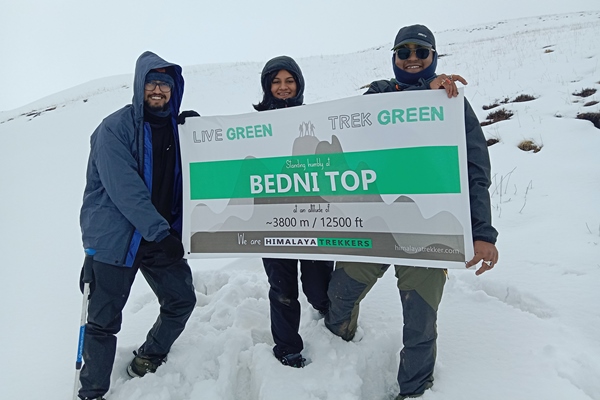
Staying warm is the biggest challenge on a Himalayan winter trek. Sub-zero nights, icy winds, frozen water bottles, and long hours in cold camps can quickly turn uncomfortable or dangerous, if you’re not prepared. The good news? With the right layering, smart camp habits, and a few tried-and-tested “mountain hacks,” you can stay warm, safe, and comfortable throughout your trek.
This guide breaks down actionable techniques to maintain body heat, sleep warmer, and avoid hypothermia on high-altitude winter trails
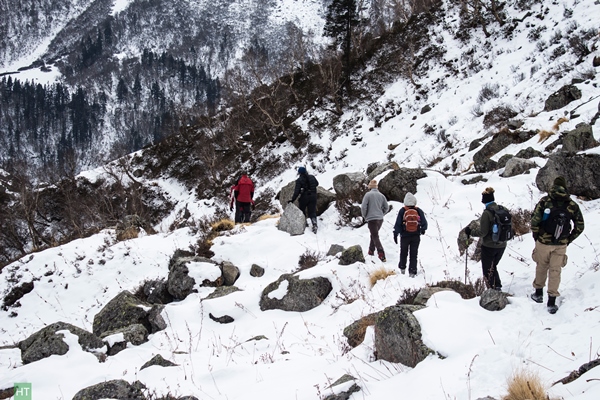
How Cold Does It Get on Winter Treks?
Before diving into the solutions, it’s important to understand just how cold it can get at typical camping altitudes (around 2,000–3,000 m) in the Himalayas. Many popular winter trek routes such as Kedarkantha, Brahmatal, Dayara Bugyal, Ali Bedni Bugyal, and Sandakphu in India have campsites in this elevation range. At these altitudes, temperatures in December and January often drop much lower than first-time trekkers expect.
The chart below gives a realistic temperature range you might encounter at camp in mid-winter. (These figures are in Celsius; for reference, –10 °C is about 14 °F, well below the freezing point of water.)
| Altitude (m) | Day Temp (°C) | Night Temp (°C) | Wind Chill (Feels Like) |
Notes |
|---|---|---|---|---|
| 2000–2300 m | 5°C to 12°C | -2°C to -5°C | -5°C to -8°C | Occasional frost; cold but manageable with a good 3-layer clothing system. |
| 2300–2600 m | 2°C to 8°C | -5°C to -8°C | -8°C to -12°C | Frequent sub-zero nights; water bottles may start to freeze overnight. |
| 2600–3000 m | -2°C to 5°C | -8°C to -12°C | -12°C to -18°C | Strong winds common; expect hard frost and frozen tents at dawn. |
Even though winter nights between ~2,000 and 3,000 metres can feel brutally cold, don’t be worried, staying warm on a Himalayan trek is absolutely manageable with the right preparation. Cold becomes a problem only when trekkers underestimate it. With a bit of planning, smart layering, and a few mountain-tested tricks, you can remain surprisingly comfortable even when the mercury dips well below freezing.
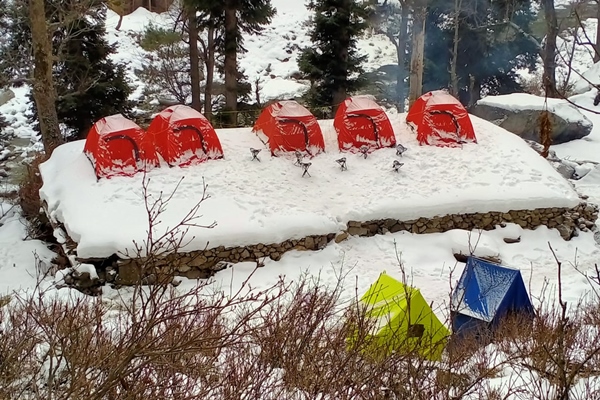
Remember, thousands of trekkers (including absolute beginners) successfully camp at these altitudes every winter. The difference between an enjoyable trek and a miserable one comes down to knowing how to dress, what to eat, when to layer up, and how to manage your gear inside the tent. Once you understand these basics, the cold stops feeling like a threat and instead becomes just another exciting part of the adventure. In fact, many trekkers say that winter camping in the Himalayas becomes their most memorable trekking experience. Think quiet snow-covered campsites, crystal-clear starry skies, frozen forests glittering at dawn, and golden alpenglow lighting up the peaks in the morning.
Now that you have an idea of the conditions you’ll face, let’s get into the practical guide on how exactly to stay warm throughout your trek. Below are 10 essential tips, backed by experience and expert advice, to help you thrive in the winter mountains.
Master the Art of Layering
Proper layering is the foundation of staying warm in the mountains. Dressing in multiple layers traps heat efficiently and lets you adjust quickly to changes in weather or activity level. Instead of one bulky coat, wear several lighter layers that each serve a purpose.
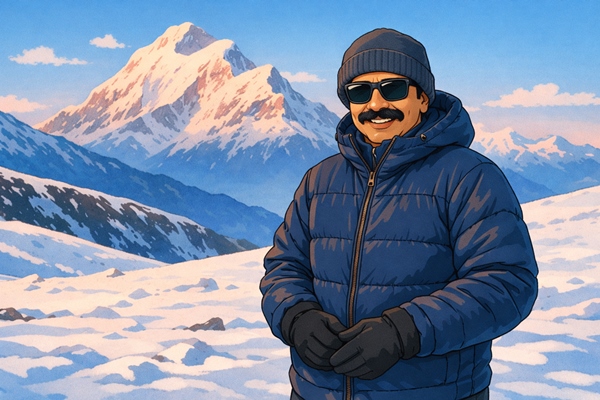
Base Layer: Moisture-Wicking
- Choose synthetic or merino wool.
- Avoid cotton as it traps moisture and chills the body.
- Fit should be snug but not tight.
Mid Layer: Insulation
- Fleece jacket, light down jacket, or wool sweater.
- This layer traps heat, so thickness depends on the expected temperature.
Outer Layer: Windproof + Waterproof
- Look for a breathable shell jacket rated for snow.
- Must cut wind — wind chill is often worse than ambient temperature.
Leg Layers
- Thermal base layer + trekking pants.
- In extreme cold, add a fleece or lightweight down layer at camp.
By mastering layering, you can add or remove layers throughout the day to stay comfortable: shed a mid-layer if you’re sweating during a steep climb, or throw on an extra jacket when you stop for a break. This flexibility is key to staying warm without overheating or chilling.
Stay Bone-Dry: Sweat Is Your Enemy
Moisture is the enemy of warmth. Sweat cooling on your skin can chill you faster than cold air alone. The rule in winter trekking is don’t get sweaty in the first place if you can help it. Here’s how to manage that:
- Open pit zips, remove layers early, regulate pace.
- Change damp socks or base layers as soon as you reach camp.
- Keep a dry “sleeping set” of thermals for night-only use.
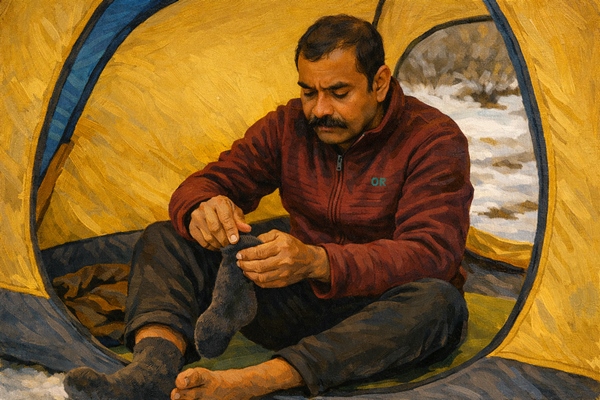
Staying dry goes hand-in-hand with layering: remove layers before you overheat, and add layers before you start shivering. By managing moisture, you’ll preserve your body heat much more effectively.
Sleep Warm: Campsite Tricks That Actually Work
Getting a good night’s sleep on a winter trek is crucial. Your body recovers overnight, and if you spend it shivering, you’ll be tired the next day. Staying warm at night isn’t just about having a good sleeping bag, it’s also about how you use it and your entire sleep setup. Here are some camp-tested tricks to sleep warmer.
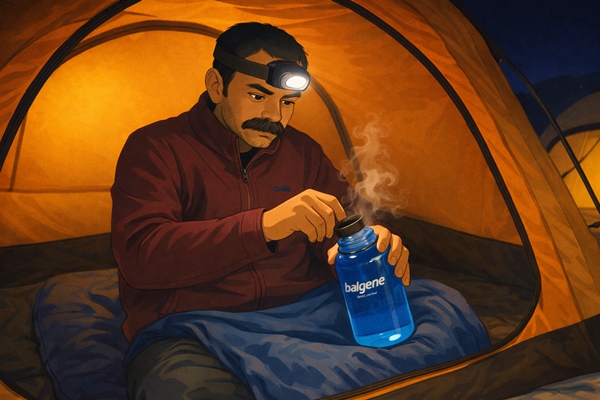
Use the Hot Water Bottle Hack
One of the oldest but most effective mountain hacks:
- Fill your water bottle with hot water.
- Wrap it in a fleece and place it near your feet in the sleeping bag.
- Keeps you warm for hours and prevents your bottle from freezing overnight.
Fluff Your Sleeping Bag
Shake the bag before sleeping to activate loft and improve insulation.
Insulate from the Ground
Cold travels upward through the tent floor.
- Use two sleeping pads (foam + inflatable) for best insulation.
- Keep spare clothes under your feet inside the sleeping bag.
Warm Up Before Entering Your Sleeping Bag
A sleeping bag preserves heat — it does not generate it.
- Do 15–20 light squats, arm swings, or brisk walking to raise core temperature before crawling in.
- Do NOT overheat and sweat.
Inside a tent at night with a trekker in a sleeping bag and a hot water bottle, surrounded by snow outside.
A camper stays warm through a Himalayan winter night using a hot water bottle and proper insulation inside the tent (image2.jpg)
Don’t Skip Your Night-Time Carbs
A warm body is a well-fuelled body. What you eat (and when you eat it) has a big impact on your warmth at night. Never go to bed hungry on a winter trek. In cold conditions, your body will burn a lot of calories just to maintain its core temperature. Give it plenty of fuel to do so, especially slow-burning calories that last till morning.
Before bedtime, eat:
- High-carb foods (pasta, rice, potatoes, chapatis)
- Warm soup
- A little ghee or butter for slow-burning fat
Carbs help your body generate heat through the night which important for freezing camps at 10,000 ft and above.
Keep Your Extremities Warm
Cold hands and feet can ruin an otherwise fine day of trekking. Your head and neck, too, are major points of heat loss. The extremities (feet, hands, head) tend to get cold first because when your core temperature drops, your body conserves heat for vital organs and reduces circulation to the “edges.” To avoid painfully cold fingers and toes, protect your extremities diligently:
- Use wool or fleece socks (avoid cotton).
- Carry a spare pair only for night use.
- Wear insulated gloves with inner liners.
- Use buff/neck gaiter + beanie to prevent heat loss (nearly 10% of heat escapes through the head).
A simple rule of thumb: If your core is warm, your extremities stay warm too.
Use Heat Packs (Optional but Helpful)
Reusable gel heat packs or disposable chemical hand warmers can provide a welcome boost of warmth, especially for those who tend to get cold easily or have poor circulation. While not a necessity, these little packs can be a comfort hack worth having in your winter kit.
- Great for gloves and pockets.
- Useful for those who get cold easily or have poor circulation.
Always keep them inside layers, not directly exposed.
Drink Warm Fluids Throughout the Day
Hydration helps regulate body temperature. In cold weather, you might not feel as thirsty as you do in summer, but your body still needs plenty of fluids. Dehydration will make you more susceptible to cold.
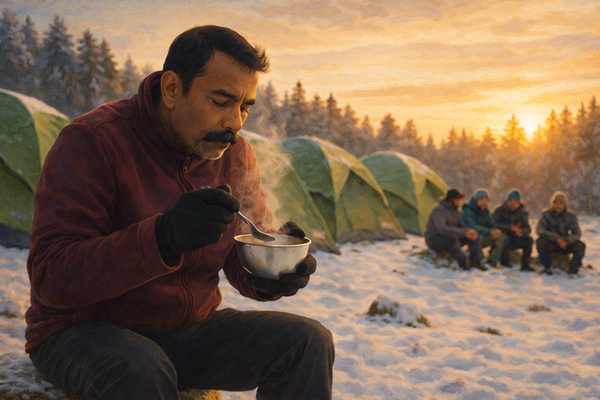
- Sip warm or hot water, soup, tea, or ORS.
- Avoid drinking very cold water — it chills you internally.
- Avoid excessive caffeine, which dehydrates you.
Pro Tip: At night, store your water bottle upside down inside the tent. Water freezes from the top downwards; by flipping the bottle, you ensure that the bottom (which is now the bottle’s cap) freezes last, if at all. This way, even if the water partially freezes overnight, you’ll still be able to open the bottle in the morning because the ice will form away from the lid.
Manage Your Clothing Smartly at Camp
What you do with your gear and clothing in camp can make a big difference to how warm you stay, both at that moment and the next day. Once you stop trekking and settle into camp, the focus shifts to preserving heat and preparing for a cold night. Develop good habits with your clothing:
- Change out of wet socks immediately.
- Air out your down jacket in sunlight to retain loft.
- Avoid sitting directly on cold rocks; use a foam pad.
- Keep gloves and socks inside your sleeping bag to dry overnight.
By treating your clothing and gear thoughtfully, you maintain a comfortable micro-climate around you. Essentially, extend your layering strategy to your camp routine: dry what’s damp, keep your insulation fluffy, and shield yourself from cold surfaces.
Protect Yourself from Wind at All Costs
Wind is the great amplifier of cold. A mild -5°C can feel like -15°C if strong wind is cutting through your layers. Protecting yourself from wind chill is absolutely essential in the mountains, where ridge camps or open valleys can channel bitter winds.
- Wear a windproof layer even inside camp when it’s breezy.
- Use the tent entrance or backpack as a windshield.
- Avoid trekking on exposed ridges without proper outer layers.
Know the Signs of Hypothermia
Staying warm is not just about comfort, it’s about safety. Even after doing all of the above, you must remain vigilant about the risk of hypothermia, that is an alarming drop in body temperature below 35°C (95°F). Early recognition of hypothermia can literally save lives on a winter trek, so educate yourself and your trek mates on what to watch for.
Watch out for:
- Uncontrollable shivering
- Slurred speech
- Fatigue or confusion
- Loss of coordination
If any symptoms appear:
- Add layers immediately
- Drink something warm
- Move the person into shelter
- Remove wet clothing
- Warm with body heat or hot water bottle
Final Thoughts
Winter trekking in the Himalayas rewards you with silent forests, pristine snowfields, and surreal mountain views, typical experiences you won’t get in any other season. However, it also demands respect and preparation when it comes to the cold. As an organisation that has led countless groups on winter treks, we at Himalayan Trekkers can attest that staying warm isn’t a matter of luck; it’s a matter of preparedness and knowledge.
A small note of encouragement: thousands of first-timers successfully complete Himalayan winter treks every year. They aren’t superhuman; they simply prepare and listen to good advice. Now you have that same advice. So gear up confidently! Embrace the chill and the challenge, knowing you have the tools to stay warm. The winter mountains are a truly magical place for those who come prepared.
Stay warm, trek safe, and enjoy every moment of your winter adventure. We’ll see you on the trail!


Comments